I find that there are many ways to learn. I hope to provide some insight on the ways that I learn, share knowledge, and be a great community citizen to the web.
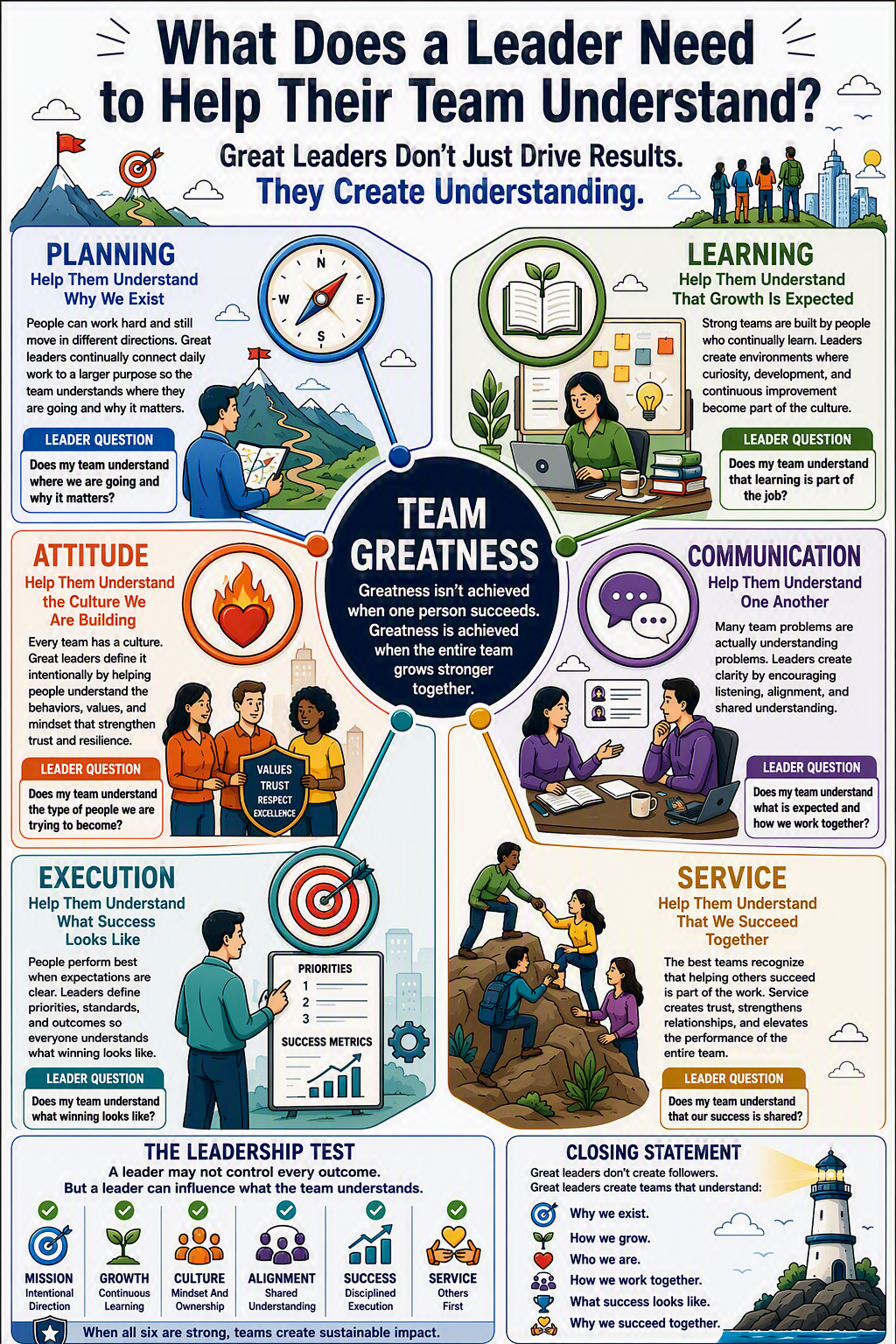
SERVANT LEADERSHIP FOR A TEAM
When the disciples argued about greatness, Jesus did not simply redefine what a great leader looks like. He redefined what a great team looks like. Rather than focusing on status, position, or recognition, Jesus consistently taught His followers to understand purpose, humility, responsibility, and service. Great leadership often begins not by telling people what to do, but by helping them understand what matters most. A leader’s responsibility is not merely to drive results. A leader helps people understand the realities that allow a team to become great.

CALIBRATION
I remember the year I was expecting my best performance review. Not because someone told me I was exceptional. Because the evidence was everywhere.
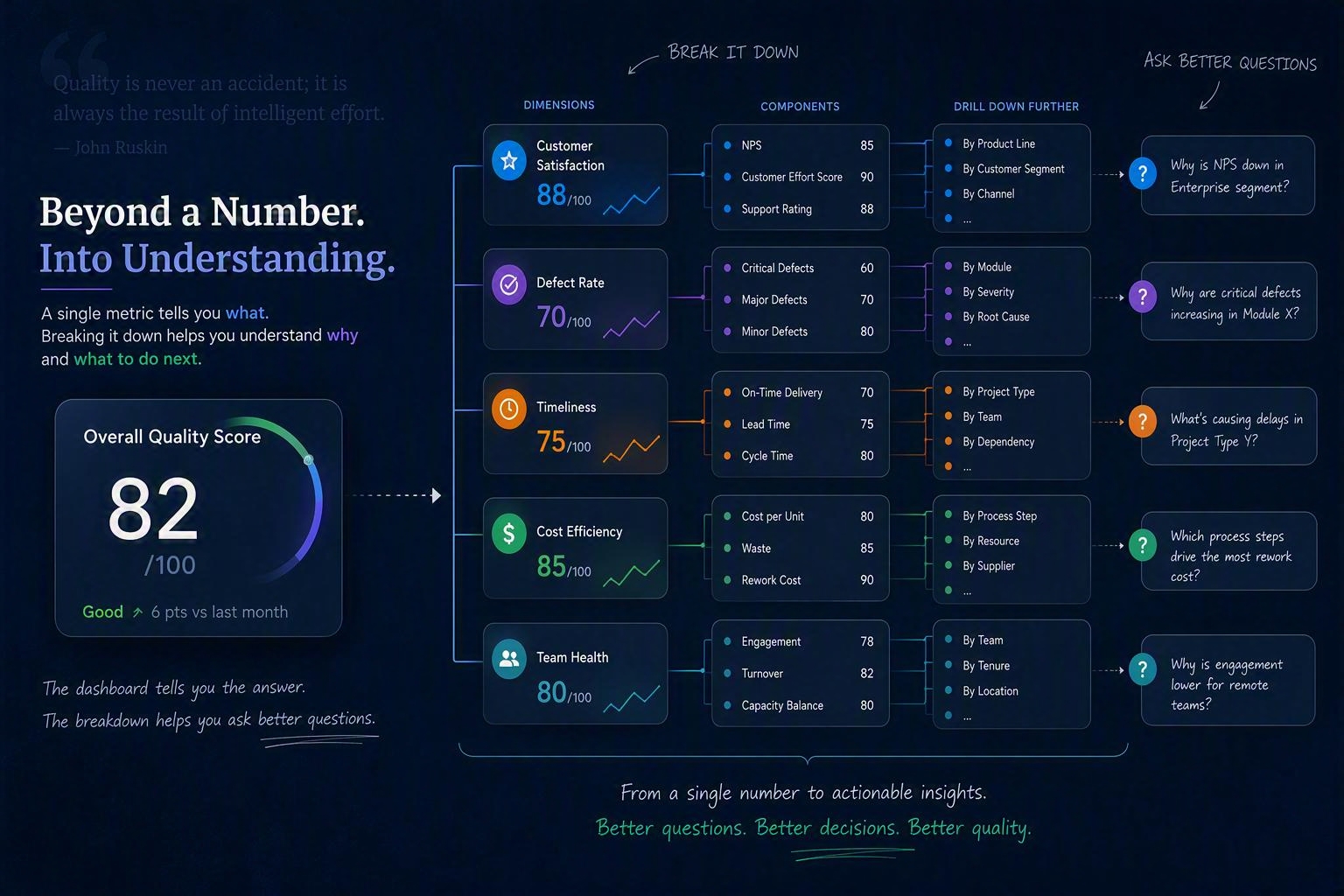
THE NUANCES OF MEASURING QUALITY
Companies love dashboards to measure quality. we often build dashboards full of metrics and assume the numbers tell the story. But metrics are usually windows into reality, not reality itself. The challenge is deciding whether a measure is showing the truth—or merely a slice of it.

LOOKING AT QUALITY FROM DIFFERENT VIEWPOINTS: THE HANG GLIDER, THE BALCONY, THE MOSH PIT, AND THE ORCHESTRAL CHAMBER
Quality is a fascinating concept because it changes shape depending on where you are standing. The same initiative can feel brilliant to one person and incomplete to another. A product launch can seem flawless from the control room while appearing chaotic from the front lines. Quality is rarely a single measurement; it is a collection of perspectives. Within the PLACES Framework - Planning, Learning, Attitude, Communication, Execution, and Service - the pursuit of quality becomes less about finding the “correct” viewpoint and more about intentionally moving between viewpoints.
PLACES FRAMEWORK INFOGRAPHIC
The graphic depicts six domains surrounding a central hexagon labeled “The PLACES System.” Planning (P) establishes intentional direction before action. Learning (L) enables continuous growth and adaptability. Attitude (A) shapes mindset, character, and emotional framing. Communication (C) creates alignment, trust, and shared understanding. Execution (E) translates intent into disciplined action and completion. Service (S) anchors actions in humility and outward focus.

DEFINE METRICS DURING PLANNING, NOT DURING EXECUTION
Metrics belong in planning, not as an afterthought during execution. Teams often spend their time tracking results after work begins, but not enough time deciding which measures actually matter before the work starts.

WHY TECH LEADERS NEED COMMUNITY TO GROW
Let’s get real: the myth of the lone genius is dead. In the world of technology, the best leaders aren’t the ones holed up in corner offices, clutching their secrets. They’re the ones in the trenches, learning, failing, and growing—together. If you’re a tech leader, here’s the truth: community isn’t just nice to have. It’s your secret weapon.
STRATEGIC PLANNING: ROLES TO CONSIDER
Strategic planning in technology leadership is not just a matter of metrics and milestones. Technology leaders may have one or more roles when engaged. How we lead has far reaching impact when working through strategy. Consider how these roles influence, direct, and engage our stewardship.

THIRST QUENCHERS - 2025-05-04
May the 4th be with you! As I sit in a coffee shop across from my wife, I am struck at just how much fun it is to read, learn, and make micro changes to processes. It is also very funny that a micro change isn’t easy in code / no code solutions! A simple anchor tag change cost me 30 minutes of fiddling with Power Automate. Go Figure 3 Misconceptions of Using CoPilot Author: Bart Wullems A thoughtful post around 3 beliefs come people have around CoPilot use or the lack thereof. One Item I would add, developers don’t embrace changes sometimes.

VALUE SHARING
We all have something to share. But why do we share? Is it to be recognized? Is it so that others can benefit? Is it to achieve and objective or to draw others in? Is it to influence (either good or bad)? Maybe it is just to shout out into the wide internet and hope someone hears. It doesn’t matter what your reason is, it is yours. A few things to keep in mind: